We use cookies to improve our services. Some of them are essential for the functioning of this website, but you can decide for yourself about others. Read more about how we use cookies and how you can refuse them if you wish.

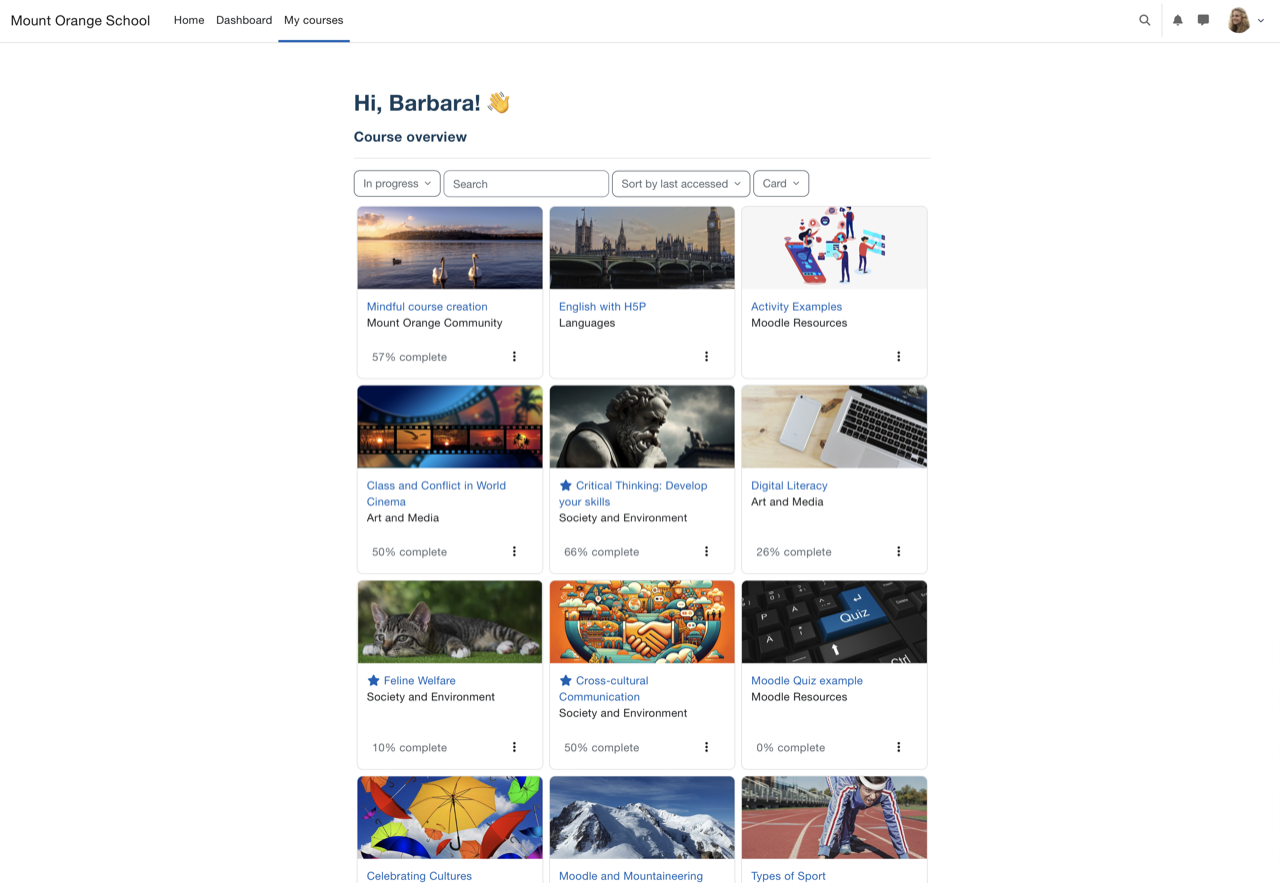
Moodle is the world's most widely used open-source platform for managing online education, with an emphasis on broad scalability and a high degree of customization. It is a modular system that allows you to install hundreds of plugins and graphic themes (there are now more than 2,000 extensions for this system), allowing Moodle to be tailored to the needs of almost any organization.
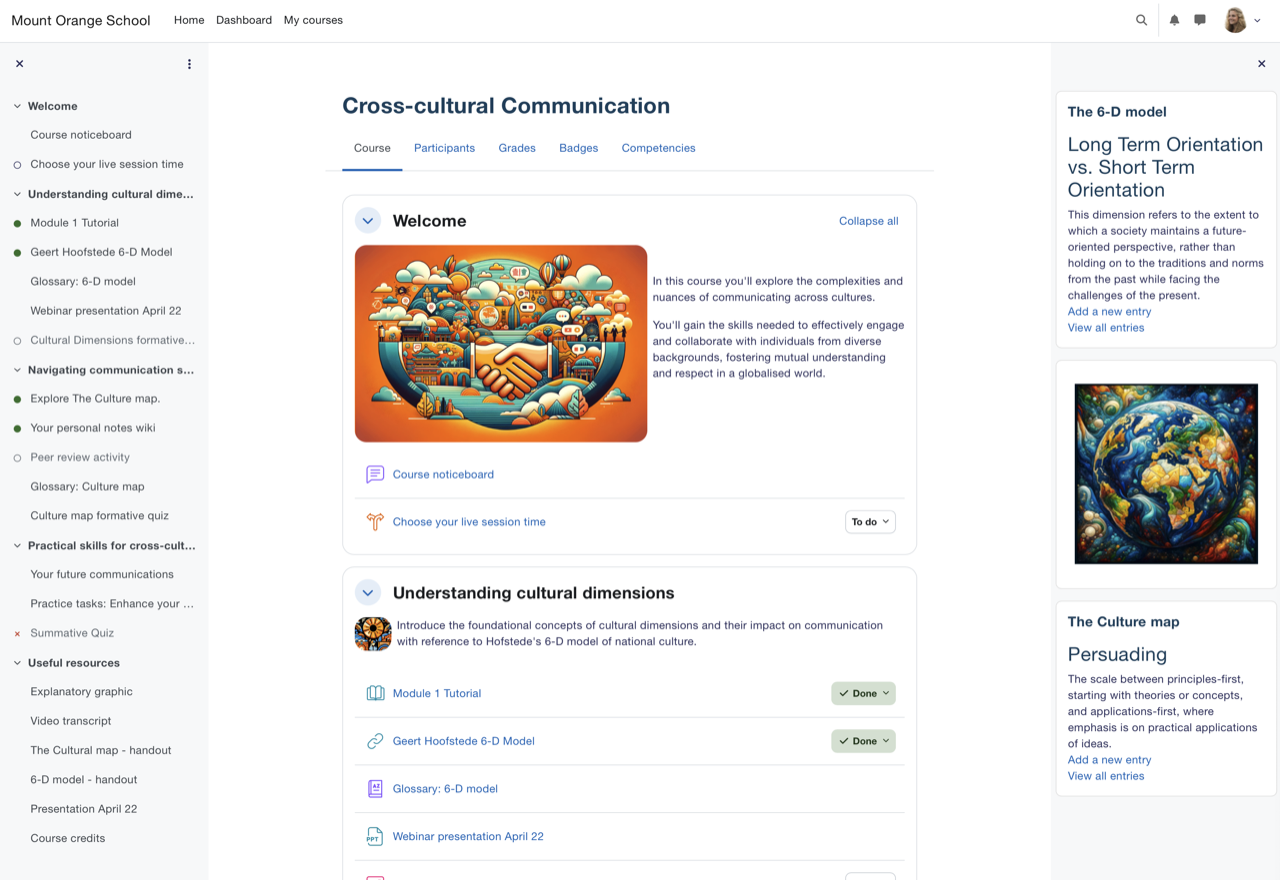
Moodle allows you to create dynamic e-learning environments involving both teachers and students. It supports collaboration and interactive learning within the study process – Moodle is not just about "uploading a course and filling out a test," but also about working in groups or on collaborative tasks. It supports a wide range of interactions: discussion forums, Wikis (joint creation of study materials), workshops, peer-review tasks, and project groups.
Moodle is available under the GNU GPL license, which means that its code is provided free of charge and is also open for modification and further development. Any school, company, or non-profit organization can install, customize, and run Moodle on their own server—or use one of the verified suppliers who provide hosting, support, and custom functionality development. This distinguishes it from commercial LMSs, where users are locked into a particular vendor. The advantage is therefore flexibility, but it is necessary to take into account a certain amount of complexity in terms of administration and maintenance.
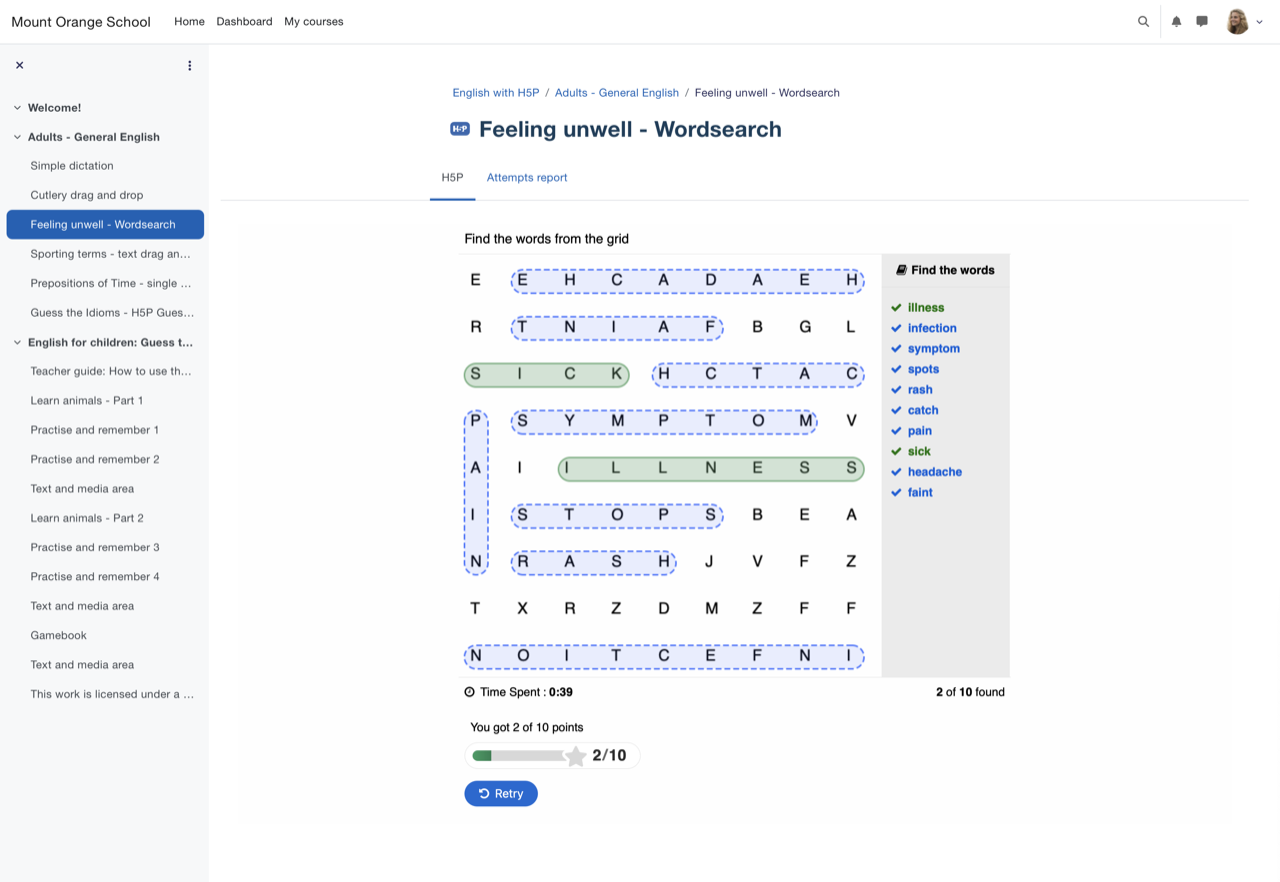
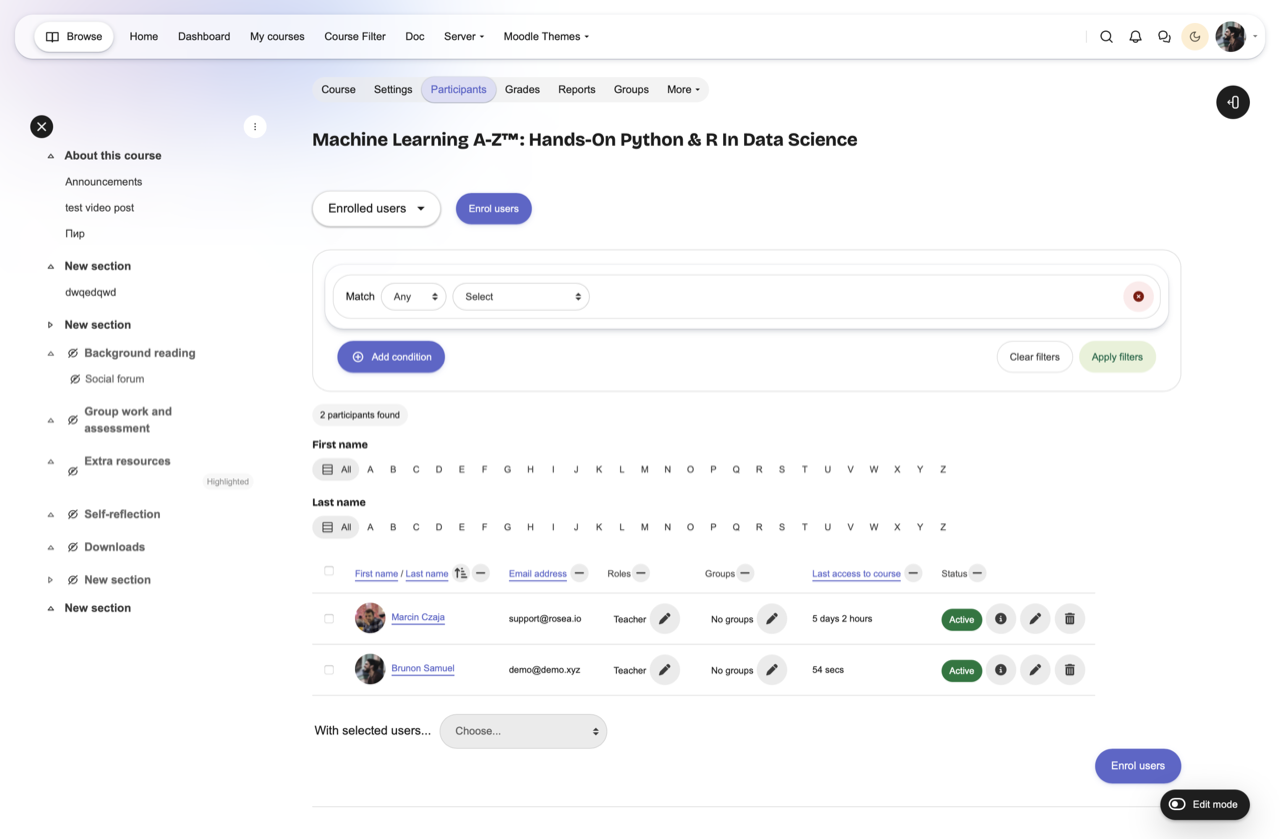
Moodle's main features include course creation and user management, including advanced permission and role management (teacher, student, tutor, etc.). It also offers a wide range of modules: from tests and quizzes (with various types of questions) to assignments, discussion forums, and interactive elements (more than 32 interactive features H5P) to the option of issuing certificates. Of course, there is also extensive reporting, including the creation of custom reports: administrators monitor how much time students spend studying, how many points they have earned in tests, and can evaluate statistics on completed courses. Moodle has been translated into more than 140 languages, including Czech and Slovak.
Moodle can be deployed in a small instance (e.g., dozens of users within a single company or school) as well as in very large projects (tens of thousands of students within a multinational company). Large institutions often use system scaling across multiple servers so that the server can handle high traffic. The system is designed to work with a truly enormous amount of courses and materials when the infrastructure is appropriate.

Choosing the right education system is not an easy task. We will be happy to help you with your choice. Let us prepare a tailor-made needs analysis. Together we will find the most suitable solution.
Contact us